

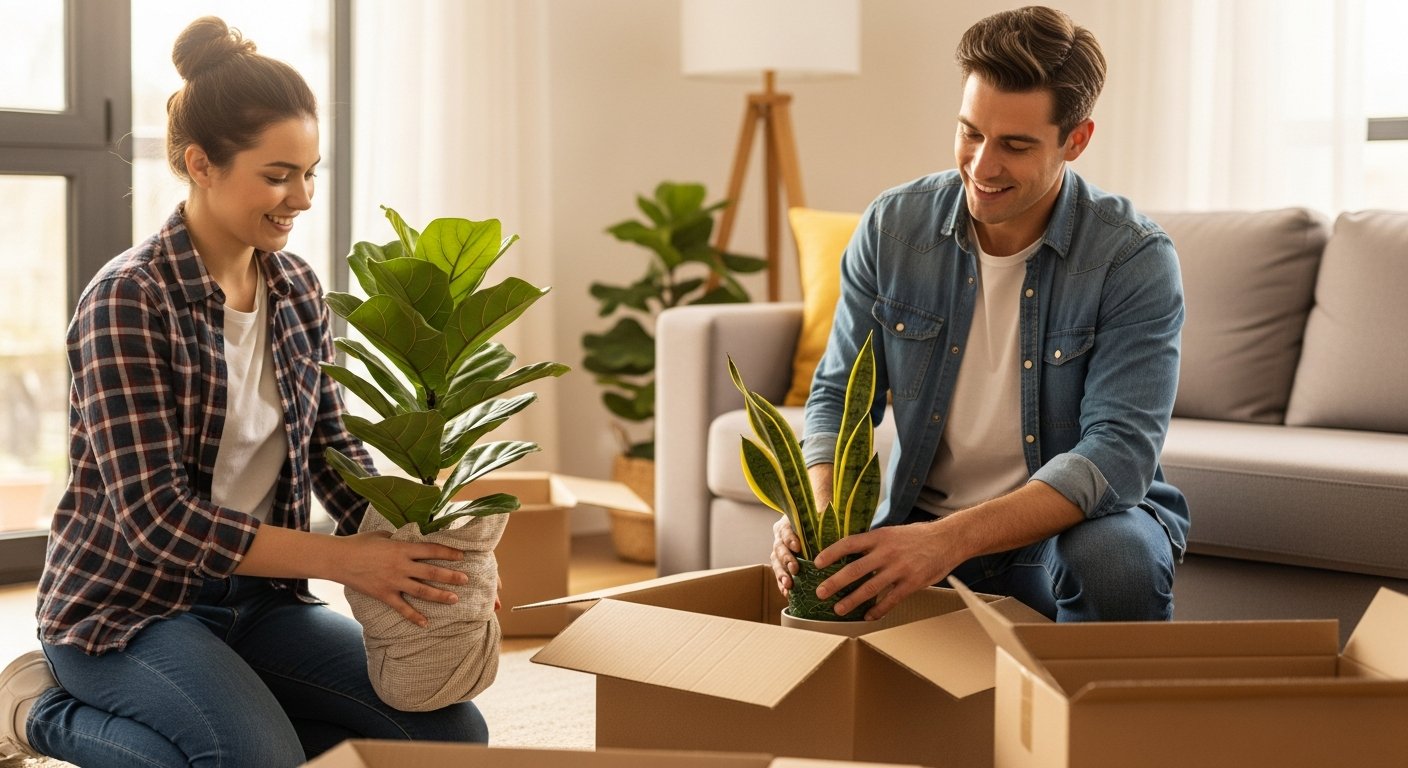
You have nurtured your fiddle-leaf fig for years and watched your snake plant thrive in that perfect corner. The thought of leaving them behind when you relocate across the country feels like abandoning family. The good news is that with the right preparation and knowledge, you can successfully transport your greenery to your new home. Moving plants long distance requires more than just tossing them in a box. It demands careful planning, an understanding of legal restrictions, and a gentle touch during transit.
Many people assume their houseplants can simply ride in the moving truck alongside furniture and boxes. In reality, plants are living organisms that need specific conditions to survive a multi-day journey. Temperature fluctuations, lack of light, and physical damage are real threats. Moreover, some states have strict agricultural laws that limit which plants can cross their borders. This guide walks you through every step of the process so your leafy companions arrive healthy and ready to flourish in their new environment.
Research State Agricultural Laws Before You Pack
Before you do anything else, investigate the plant quarantine regulations for your destination state. Several states including California, Oregon, Washington, Arizona, Florida, and Hawaii enforce strict agricultural checkpoints. These laws exist to prevent the spread of invasive pests and diseases that can devastate local crops and ecosystems. If you drive through an agricultural inspection station with restricted plants, you could face fines or have your plants confiscated and destroyed.
Contact the state department of agriculture for both your origin and destination states. Ask specifically about houseplants, as restrictions often focus on outdoor or citrus plants. Some states require a phytosanitary certificate (a health certificate for plants) issued by a licensed inspector. This certificate confirms your plants are free of pests and diseases. The inspection fee is typically modest, around $20 to $50 per visit, and can save you from losing valuable specimens. For a deeper look at these rules and packing methods, check out our moving plants long distance essential guide which covers legal requirements in more detail.
Common restricted items include citrus trees, grapevines, fruit-bearing plants, and certain succulents that host specific pests. Even common houseplants like pothos or philodendron may be questioned at checkpoints. When in doubt, leave the plant behind or ship it through a licensed nursery that can provide proper documentation. Remember that ignorance of the law is not a valid excuse at an inspection station.
Prepare Your Plants for the Journey
Preparation should begin at least two weeks before moving day. Start by pruning any dead or dying leaves and branches. Removing unhealthy growth reduces the plant’s stress load and prevents rot during transit. Check for pests such as aphids, spider mites, or mealybugs. Treat any infestations immediately with insecticidal soap or neem oil. A pest problem that goes unnoticed can spread to other plants during the long journey and create a mess inside your vehicle or moving truck.
About a week before the move, water your plants normally but do not overwater. Soggy soil encourages mold growth and root rot in closed containers. On the day before departure, give each plant a light watering so the soil is moist but not wet. For succulents and cacti, stop watering three to four days beforehand since they store water in their leaves and tolerate dry soil better.
Repotting is another critical step for larger plants. Transfer them from heavy ceramic or clay pots into lightweight plastic nursery pots. This reduces weight and prevents the pot from breaking during transit. Wrap the top of the pot with plastic wrap or a plastic bag secured around the base of the stem to keep soil inside. This technique is especially important if you are transporting plants in your personal vehicle rather than a moving truck.
Choosing the Right Packing Materials
Gather the following supplies before you begin packing your plants:
- Cardboard boxes in various sizes to accommodate different plant heights
- Newspaper or kraft paper for cushioning leaves and stems
- Plastic wrap or garbage bags to cover pots and seal in soil
- Packing tape and scissors for securing boxes
- Stake or bamboo poles for supporting tall or top-heavy plants
When packing tall plants, place a stake into the soil and gently tie the main stem to it with soft plant ties or twine. This prevents the plant from snapping or bending when boxes are shifted. For bushy plants with fragile leaves, wrap the foliage loosely in newspaper or Kraft paper to protect against bruising. Do not wrap too tightly because leaves need some airflow. Secure the paper with tape but leave the top slightly open for ventilation.
Place the potted plant inside a box that is slightly taller than the plant itself. If the plant is too tall, you can lay the box on its side during transport, but only if the plant is sturdy enough to handle the horizontal position. Fill empty space around the pot with crumpled newspaper or packing peanuts to prevent shifting. Clearly label each box as “LIVE PLANT” and mark which side should face up.
Transporting Plants in a Personal Vehicle
If you are driving to your new home, transporting plants in your car or SUV is often the safest method. You can control the temperature, provide fresh air, and monitor their condition during rest stops. Place plants on the floor of the back seat or in the cargo area where they will not tip over. Avoid putting them in the trunk of a sedan because trunks can heat up to dangerous temperatures in summer or become too cold in winter.
During hot weather, park in the shade whenever possible and crack the windows slightly to allow heat to escape. If you are traveling in winter, keep the car warm and avoid exposing plants to freezing temperatures even for a few minutes. A sudden blast of cold air when you open the door can shock tropical plants. Consider wrapping smaller pots in towels or blankets for added insulation.
Plan your route to include stops where you can check on the plants. Open the boxes briefly to let in fresh air and inspect for any signs of stress. If leaves look droopy, give the plant a small drink of water. Do not leave plants in a parked car for extended periods, especially in extreme weather. A car interior can reach 130 degrees Fahrenheit on a sunny day, which will cook your plants within an hour.
Shipping Plants via Moving Truck or Freight
If you are using a moving truck or professional movers, you have two options. You can pack the plants yourself and place them in the truck, or you can ask the moving company about their plant transport policies. Many moving companies will transport plants, but they often require them to be boxed and labeled clearly. Some companies refuse to take plants across state lines due to liability and legal restrictions.
If you decide to put plants in the moving truck, load them last so they are the first items unloaded at your destination. This minimizes the time they spend in a dark, unventilated space. Do not place heavy boxes on top of plant boxes. If possible, leave a small gap between plant boxes and other items to allow some airflow. Mark the boxes clearly so movers know to handle them with extra care.
For long-distance moves that take several days, consider shipping your most valuable plants through a specialized plant shipping service. Companies like PlantShed or The Sill offer custom packaging and overnight delivery for live plants. This option is more expensive but provides climate-controlled handling and faster transit times. It is ideal for rare or sentimental specimens that you cannot afford to lose.
Caring for Plants Immediately After Arrival
Unpack your plants as soon as you arrive at your new home. Remove them from boxes and inspect each one for damage. Trim any broken leaves or stems with clean scissors. Give each plant a thorough watering if the soil feels dry. Place them in a location with indirect sunlight for the first few days to help them acclimate to the new lighting conditions. Direct sun can scorch leaves that have been in darkness for days.
Your plants will likely show some signs of stress such as drooping leaves, yellowing, or leaf drop. This is normal and usually temporary. Continue your regular care routine and avoid fertilizing for at least two weeks. Fertilizer can stress a recovering plant further. Within a week or two, most healthy plants will bounce back and start producing new growth.
If you notice any signs of pest infestation after unpacking, isolate the affected plant immediately. Treat with insecticidal soap and monitor nearby plants closely. Pests can spread quickly in a new environment where natural predators are absent.
Finally, update the pot if needed. Once your plant has settled in for a month, you can repot it into a decorative container that suits your new home’s decor. Use fresh potting soil and ensure the pot has drainage holes. Your plant will thank you for the fresh start.
Moving plants long distance is absolutely achievable with careful planning and attention to detail. By researching legal restrictions, preparing your plants properly, choosing the right transport method, and providing post-move care, you can enjoy your green companions for years to come in your new home. Remember that professional movers can handle the heavy lifting of your furniture and boxes, but your plants need your personal touch. Take the time to do it right, and your indoor garden will thrive in its new location.