

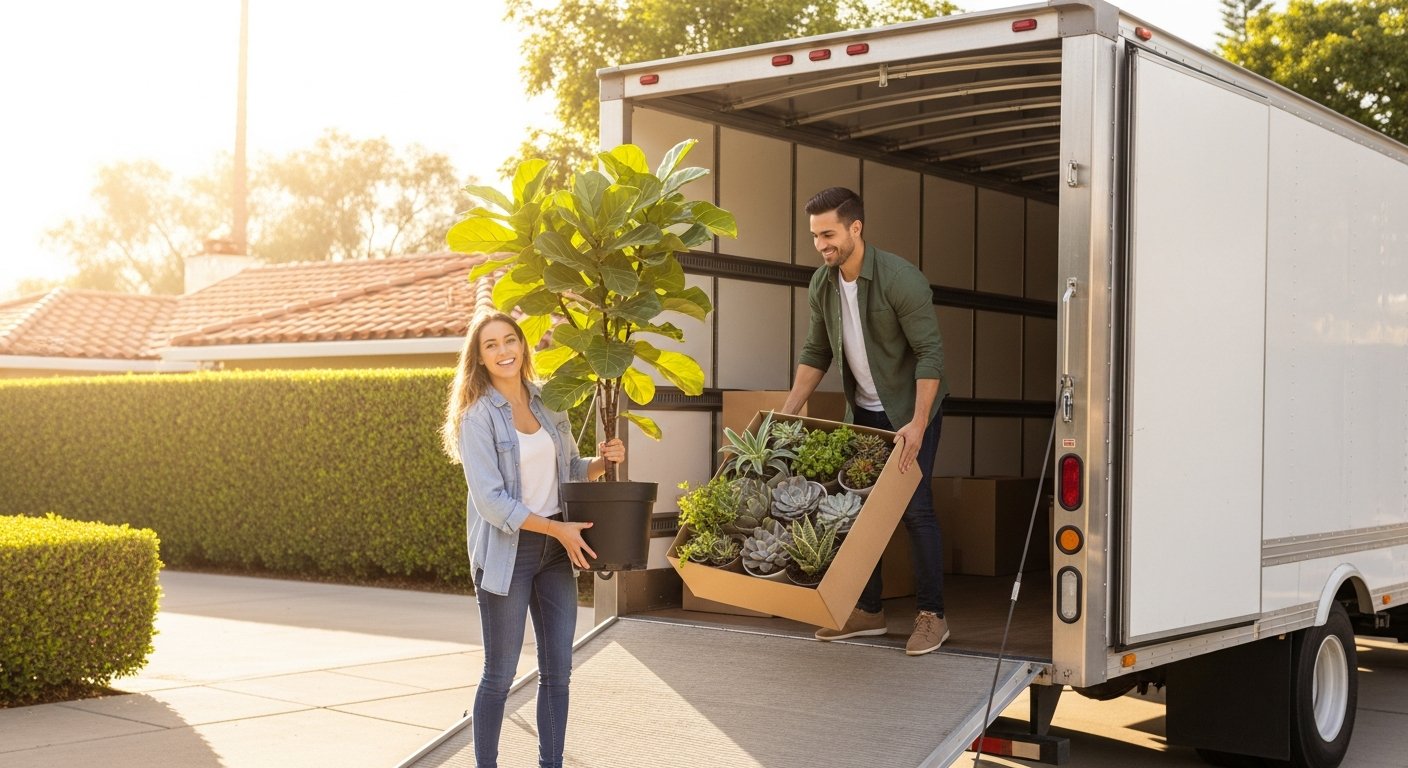
You have nurtured your fiddle-leaf fig for years, and your succulent collection has survived every neglectful phase. Leaving them behind during a cross-country move feels unthinkable. The good news is that with careful planning, most house plants can survive a long-distance relocation. The key is understanding their specific needs and the legal restrictions that may apply. This guide walks you through every step of how to move house plants long distance, from pre-move pruning to post-move recovery, so your green companions arrive healthy at your new home.
Moving plants across state lines involves more than just boxing them up. Temperature extremes, limited water access, and agricultural laws all pose risks. By preparing weeks in advance and using the right packing techniques, you can dramatically increase your plants’ survival rate. Whether you are driving a rental truck or hiring professional movers, these strategies will help you protect your botanical collection.
Pre-Move Preparation for Healthy Plants
Start preparing your plants about three weeks before moving day. This timeline gives them time to adjust to the stress of transport. Begin by inspecting each plant for pests or diseases. Moving is stressful for plants, and a weak specimen may not survive the journey. Remove any dead leaves, yellowing foliage, or signs of infestation. Treat any issues with insecticidal soap or neem oil before packing.
About two weeks before the move, prune your plants lightly. Trim back leggy growth and remove any damaged stems. This reduces the foliage that the plant must support during transit and encourages more compact growth. For large plants, consider taking cuttings as a backup. Propagate a few stems in water or moist soil so you have a start if the parent plant does not survive.
One week before moving, repot any plants that are in heavy ceramic pots. Switch them to lightweight plastic nursery pots. This reduces the overall weight and prevents the pot from breaking during the move. Use fresh potting soil to give the roots a boost. Water your plants normally during this week, but do not fertilize. Fertilizer encourages new growth, which is fragile and prone to damage during transport.
Legal Restrictions and State Regulations
Before you pack a single plant, research the agricultural laws of your destination state. Many states have restrictions on bringing plants across their borders, especially if those plants could carry invasive pests or diseases. California, Arizona, Florida, and Oregon are known for strict agricultural checkpoints. Citrus plants, for example, are restricted in many citrus-growing states due to diseases like citrus greening.
Check with the state department of agriculture for both your origin and destination states. Some states require a phytosanitary certificate, which is an official document confirming your plants are pest-free. You can obtain this from your local county agricultural extension office. The process typically involves an inspection and a small fee. If you cannot get the certificate, you may need to leave certain plants behind or ship them through a licensed plant delivery service.
When crossing state borders, keep your plants accessible in the vehicle. At agricultural checkpoints, you may be asked to show them for inspection. Have any documentation ready, such as receipts from a nursery or your phytosanitary certificate. If you are using a moving company, ask about their policy on live plants. Many movers will not transport plants due to liability concerns, so you may need to move them yourself in your personal vehicle.
Packing Plants for Long-Distance Travel
Proper packing is the most critical part of how to move house plants long distance. The goal is to protect the foliage, keep the root ball intact, and prevent soil spillage. Start by gathering the right supplies: sturdy cardboard boxes, packing paper, bubble wrap, tape, and plastic bags. You will also need a spray bottle filled with water to mist the leaves during rest stops.
For small to medium plants, follow these steps:
- Place the potted plant inside a plastic bag and tie it around the base of the stem. This catches any soil that might spill during transit.
- Wrap the pot with bubble wrap to protect it from bumps and temperature changes.
- Place the plant in a box that is slightly larger than the pot. Fill the gaps with crumpled packing paper to prevent the pot from shifting.
- For tall plants, use a box that is tall enough to accommodate the foliage without bending the leaves. Cut ventilation holes in the sides of the box.
Large plants require a different approach. If a plant is too tall to fit in a standard box, you can use a wardrobe box or a large trash can. Another option is to gently tie the branches together with soft cloth strips, then wrap the entire plant in an old sheet or newspaper. Place the base of the pot in a plastic bag to contain soil. If you are driving, large plants can travel upright in the back of a van or SUV, secured so they do not tip over.
For succulents and cacti, use a lighter touch. These plants store water in their leaves and can rot if overwatered before the move. Do not water them for a week before packing. Wrap each succulent individually in tissue paper and place them in a shallow box with dividers. Cacti need extra care to avoid needle injuries. Use several layers of newspaper or cardboard around the spines.
Managing Water and Light During Transit
Plants need water but not too much during a long move. Water them thoroughly two days before you leave. This gives the soil time to drain so the roots are not sitting in wet soil during the trip. Overly wet soil can lead to root rot, especially if the plants are in a dark, warm vehicle. Underwatering is also risky because dehydrated plants drop their leaves quickly.
During stops, check the soil moisture. If the top inch feels dry, give the plant a small drink. Mist the leaves with water to help them stay hydrated. Keep the plants out of direct sunlight while the vehicle is parked. Sunlight coming through windows can heat the interior to dangerous levels, cooking your plants. Use sunshades on the windows or cover the plants with a light-colored sheet to reflect heat.
Temperature control is vital. Most house plants prefer temperatures between 60 and 75 degrees Fahrenheit. Avoid leaving them in an unattended vehicle during extreme weather. In winter, the cold can kill tropical plants within minutes. In summer, the heat can cause wilting and leaf burn. If you are traveling in a moving truck, consider keeping the plants in the cab with you where the temperature is controlled.
Transporting Plants in a Moving Truck vs. Personal Vehicle
Deciding where to place your plants during the move depends on the distance and the type of vehicle. For moves under 500 miles, you can safely place plants in a moving truck if you take precautions. Pack them near the back of the truck so they are loaded last and unloaded first. This minimizes the time they spend in a dark, unventilated space. Do not stack heavy boxes on top of them.
For moves over 500 miles, it is safer to transport plants in your personal vehicle. This allows you to control the temperature, provide water, and check on them regularly. Place plants on the floor of the back seat or in the cargo area of an SUV. Secure them with seat belts or bungee cords so they do not slide around during turns and braking.
If you are flying to your new home, you have fewer options. Most airlines do not allow plants in checked luggage, but you may be able to carry small plants in your carry-on bag. Check with the airline beforehand. Shipping plants through a mail service like UPS or FedEx is possible but risky. Use overnight shipping and pack the plants in a sturdy box with plenty of insulation. Include a heat pack if you are shipping during cold weather.
For a detailed breakdown of all the steps involved, read our guide on moving plants long distance: essential guide. It covers additional tips for specific plant types and long-haul travel.
Unpacking and Settling Plants at Your New Home
When you arrive at your new home, unpack your plants as soon as possible. Remove them from the boxes and plastic bags immediately. Check the soil moisture and water if needed. Place them in a location with indirect light for the first few days. This helps them acclimate to the new environment without the shock of direct sun.
Your plants will likely show signs of stress after the move. Drooping leaves, yellowing, or leaf drop are common. Do not panic. Most plants recover within a few weeks if given proper care. Trim off any dead or damaged leaves to encourage new growth. Resume your normal watering schedule, but be careful not to overwater. The roots may be damaged from the move, and overwatering can lead to rot.
Wait at least two weeks before repotting any plants that were placed in temporary nursery pots. Let them adjust to the new home first. If you notice pests after the move, treat them immediately with a gentle insecticidal soap. The stress of moving can make plants more susceptible to infestations.
Finally, adjust your care routine based on the new climate. Your home’s humidity, light levels, and temperature may be very different from your previous location. A plant that thrived in a humid coastal city may struggle in a dry desert environment. Use a humidifier for tropical plants, or move them to a brighter window if needed. With patience and attention, your plants will soon thrive in their new home.
Moving plants long distance requires effort, but the reward is worth it. Your plants bring continuity and comfort to a new space. By following these steps, you ensure that your leafy friends make the journey safely and continue to grow in your new home.