

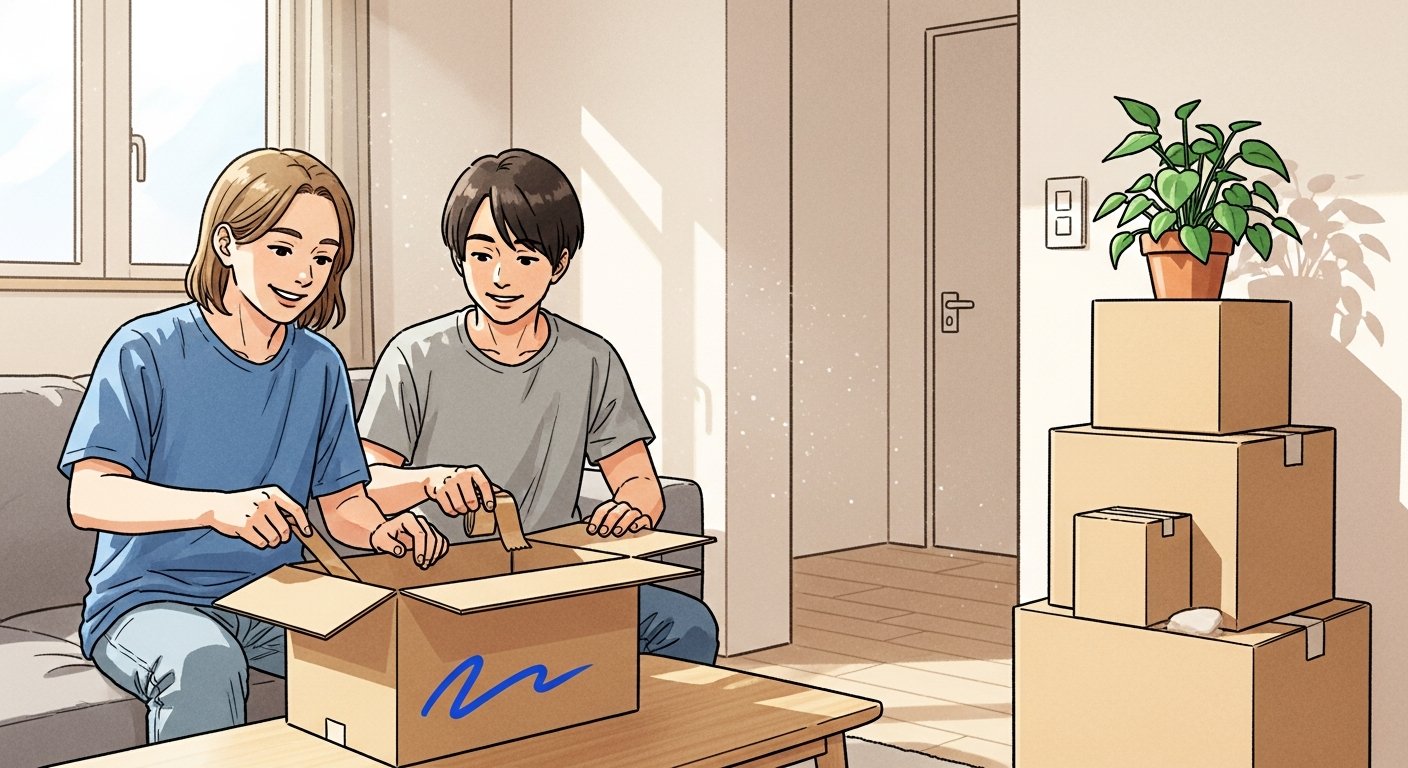
Moving out of a small apartment presents a unique set of challenges that a house move simply does not. You are working with limited square footage, narrow hallways, and often a tight budget. The physical constraints of a small space mean you cannot just pile boxes in the corner. Every item must earn its place, and the logistics of getting furniture through a compact doorway or down a cramped stairwell require careful planning. For renters, the process is further complicated by security deposits, lease terms, and the need to leave the unit in pristine condition. This guide delivers practical, actionable apartment moving tips for renters in small spaces, helping you streamline the process from the first box to the final walkthrough.
Start With Ruthless Decluttering
Before you even look at a moving box, you need to reduce what you own. Small apartments force you to be selective, and moving is the perfect time to eliminate items that no longer serve you. The less you move, the less you pay in truck rental fees or mover labor costs. Begin by sorting every category of your belongings: clothing, kitchenware, books, and decor. Create three piles: keep, donate, and discard.
For renters, this step is doubly important because you likely paid for storage space within your apartment. If you have not used an item in six months, it is probably not worth the cost of moving it. Consider selling larger pieces of furniture that will not fit well in your new layout. Many renters find that their next apartment has a different floor plan, and that bulky sofa from a previous living room simply will not work. By selling these items, you put cash in your pocket and reduce the volume of goods you need to transport. As you declutter, remember that you are also preparing for the final cleaning. Fewer items mean fewer surfaces to wipe down and less dust to manage.
Measure Everything Before You Move
One of the biggest mistakes renters make is assuming their furniture will fit through the door of their new apartment. Doorways, hallways, and elevator entrances vary wildly between buildings. Take detailed measurements of your current furniture and compare them to the dimensions of your new unit. Measure the width and height of every doorframe, including the front door, bedroom doors, and any hallway turns. For small apartments, you also need to consider ceiling height, especially if you have tall bookcases or shelving units.
If you find that a piece of furniture will not fit, you have two options: disassemble it or sell it. Most modern furniture can be taken apart with basic tools. Keep all screws and bolts in labeled bags so reassembly is straightforward. If disassembly is not possible, it is better to part with the item now than to struggle with it on moving day. This planning phase is where the foundation of successful apartment moving tips for renters in small spaces is laid. A little preparation now prevents a major headache later.
Create a Room-by-Room Packing Plan
Packing a small apartment requires a methodical approach. Do not try to pack everything at once. Instead, tackle one room at a time. Start with areas you use least, such as the guest closet or storage bins under the bed. Leave essential rooms like the kitchen and bathroom for last. For each room, gather all the packing supplies you need before you begin. This includes boxes in various sizes, packing tape, bubble wrap, markers, and labels.
When packing, use a system that prioritizes efficiency. Here are key steps to follow for each room:
- Pack heavy items in small boxes to keep them manageable. Large boxes filled with books become impossible to carry.
- Wrap fragile items individually in bubble wrap or newspaper. Use towels and linens as extra cushioning between items.
- Label every box with its contents and the room it belongs to. Add a note like “open first” for boxes that contain essentials you will need immediately.
- Keep a separate bag or box for important documents, chargers, and valuables that you will transport yourself.
This structured approach prevents chaos on moving day. When you arrive at your new apartment, you can direct movers to place each box in the correct room, saving you hours of sorting later. For renters, this organization also helps you quickly identify any missing items during the unpacking process.
Maximize Vertical Space in Packing
Small apartments often lack floor space, but they usually have vertical space. Use this to your advantage. Stack boxes vertically in corners and against walls rather than spreading them across the floor. This creates clear pathways for walking and reduces tripping hazards. For small items like toiletries, spices, or office supplies, use clear plastic bins that can be stacked. The transparency lets you see the contents without opening each container.
Another technique is to use vacuum-seal bags for bedding, pillows, and clothing. These bags compress bulky items into flat, stackable packages that take up a fraction of the original space. This is especially useful for renters who have limited closet space and need to pack seasonal items. By compressing soft goods, you free up room in your boxes for harder items that cannot be compressed. Every inch of space in a small apartment matters, and maximizing your packing efficiency makes the entire move smoother.
Coordinate Your Moving Day Logistics
Moving day in a small apartment building can be complicated. You need to reserve the elevator, find parking for the moving truck, and navigate narrow hallways. Contact your building management at least two weeks before your move to understand their policies. Some buildings require a moving deposit, proof of insurance, or a specific time slot for elevator use. Failure to follow these rules can result in fines or delays.
If you are hiring professional movers, provide them with clear details about your building. Let them know the floor you are on, the size of the elevator, and any stairwell restrictions. Professional movers are experienced with tight spaces, but they work best when they have accurate information. For those considering a DIY move, rent a truck that fits your parking situation. A large truck might be cheaper, but it can be impossible to park in a crowded city street. A smaller truck that you can load efficiently is often a better choice for a small apartment move. For more tips on handling the physical demands of moving during warm weather, see our guide on smart summer moving tips to beat the heat.
Protect Your Security Deposit
For renters, the security deposit is often a significant amount of money. To get it back, you must leave your apartment in excellent condition. Start by doing a thorough inspection before you move out. Take photos of every room, including walls, floors, and fixtures. Note any existing damage that was already present when you moved in. This documentation protects you if the landlord tries to deduct for pre-existing issues.
When you move out, clean the apartment thoroughly. Focus on areas that are often overlooked: behind the refrigerator, inside the oven, and the tops of cabinets. Patch any nail holes in the walls and touch up paint if needed. Many landlords also require a professional carpet cleaning. Keep all receipts for cleaning services as proof. By leaving the apartment in move-in ready condition, you maximize your chances of receiving your full deposit back. This financial benefit is one of the most practical apartment moving tips for renters in small spaces, as it puts money back in your pocket that you can use for your new home.
Unpack Strategically in Your New Space
Once you arrive at your new apartment, the temptation is to unpack everything immediately. Resist this urge. Instead, focus on setting up the essentials first: your bed, bathroom supplies, and kitchen basics. Unpack one room at a time, starting with the bedroom. A good night’s sleep is crucial when you are settling into a new environment. After the bedroom, move to the bathroom, then the kitchen, and finally the living areas.
As you unpack, evaluate your furniture placement. Small apartments benefit from multifunctional furniture, such as a storage ottoman or a fold-out desk. Arrange your furniture to create an open flow rather than blocking pathways. Use mirrors to make rooms feel larger and lighter. Unpacking is also an opportunity to further declutter. If you find items that you did not miss during the move, consider donating them right away rather than finding a place for them. This keeps your new small space organized from the start and prevents the accumulation of unnecessary items.
Moving from a small apartment does not have to be overwhelming. By starting early, decluttering ruthlessly, measuring carefully, and planning your logistics, you can execute a smooth and efficient move. Focus on protecting your security deposit and unpacking with intention. These apartment moving tips for renters in small spaces will help you transition to your new home with less stress and more confidence. Remember that every item you move has a cost, so be selective and make your new space work for you.