

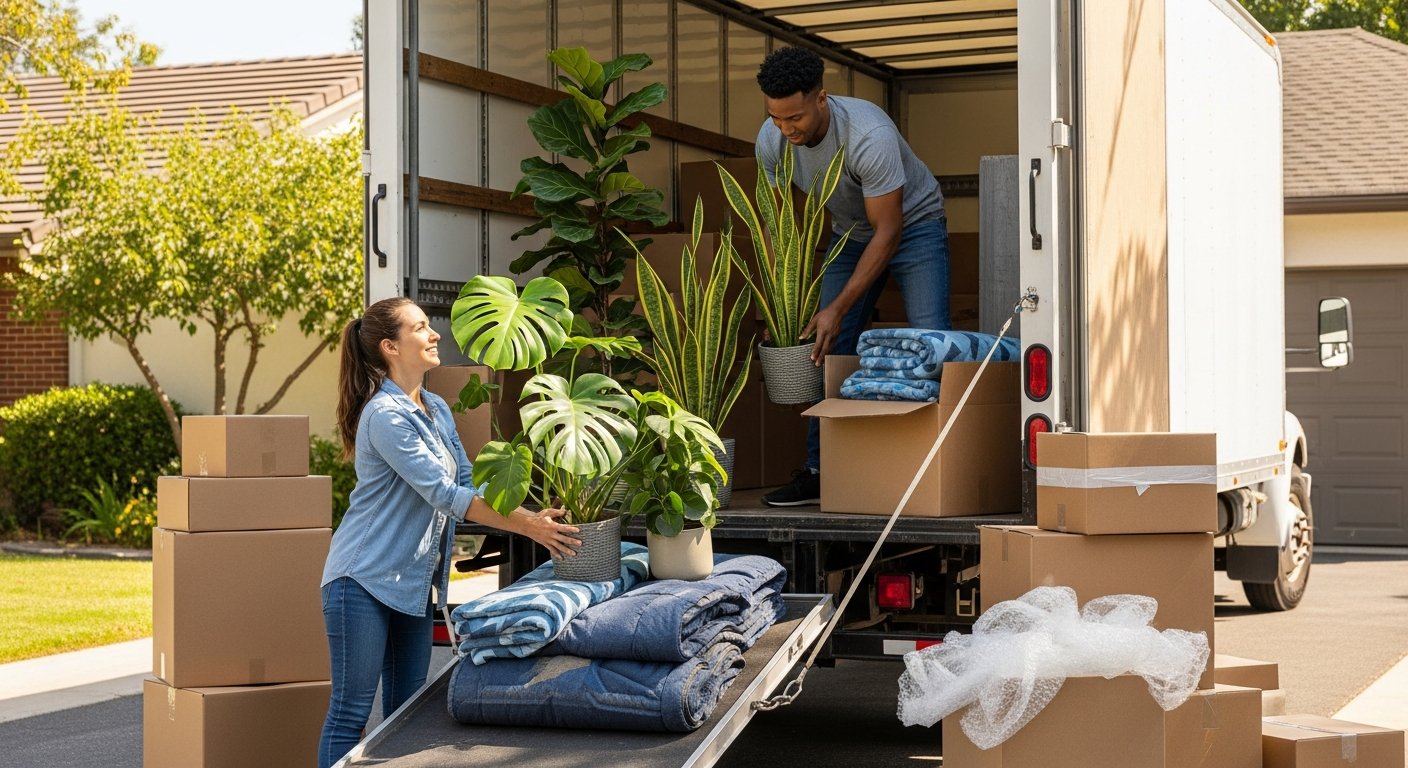
Your houseplants have thrived under your care for years, and the thought of leaving them behind during a cross-country move is heartbreaking. Fortunately, moving plants long distance is entirely possible with the right preparation and techniques. Whether you are relocating for a job, family, or a fresh start, your green companions can make the journey safely if you plan ahead.
Plants are living organisms that require specific conditions to survive transport. Temperature extremes, lack of water, and physical damage are the biggest threats. This guide covers everything from legal restrictions to packing methods, ensuring your plants arrive healthy at your new home. By following these steps, you can preserve your indoor garden and avoid the cost and disappointment of replacing mature specimens.
Know the Legal Restrictions Before You Pack
Before you start boxing up your fiddle leaf fig or monstera, research the agricultural regulations for your destination state. Some states, particularly California, Florida, Arizona, and Hawaii, have strict quarantine laws to prevent the spread of invasive pests and plant diseases. These laws may require inspection certificates or prohibit certain species altogether.
Contact the state department of agriculture for your destination to confirm what is allowed. If you are moving across an international border, even stricter rules apply. Failing to comply can result in your plants being confiscated or destroyed at an inspection station. This step is non-negotiable for a smooth relocation.
Assess Which Plants Are Worth Moving
Not every plant is a good candidate for a long distance move. Hardy, compact, and low-maintenance varieties travel better than large, fragile, or temperamental ones. Consider the size, age, and sentimental value of each plant before committing to transport it.
Here are factors to help you decide which plants to bring:
- Size and weight: Large pots and heavy soil add significant weight to your load. Smaller specimens are easier to handle and pack.
- Fragility: Plants with brittle stems, large leaves, or delicate root systems are more prone to damage. Succulents and snake plants are more resilient.
- Sentimental value: A plant that has been in the family for generations is worth extra effort. Common, easily replaceable plants may not justify the trouble.
- Climate compatibility: If you are moving to a drastically different climate, your plant may struggle to adapt. Research whether your species can thrive in the new environment.
Once you have narrowed down your list, you can focus your energy on properly preparing each survivor for the trip. This assessment saves time, space, and frustration on moving day.
Preparation Steps Weeks Before Moving Day
Healthy plants handle stress better than stressed ones. In the weeks leading up to your move, give your plants extra care. Prune any dead or dying leaves, check for pests, and repot if necessary. Use fresh, sterile potting soil to reduce the risk of introducing insects or diseases to your new home.
About two weeks before the move, begin acclimating your plants to lower light and less frequent watering. This mimics the conditions they will experience during transport. A gradual adjustment helps prevent shock. Also, avoid fertilizing right before the move, as new growth is more vulnerable to damage.
For very large plants, consider taking cuttings instead of moving the entire specimen. Propagating a cutting is often easier and more successful than moving a mature plant. You can start new plants once you arrive.
Packing Plants for a Long Distance Move
Proper packing is the most critical step in how to transport plants when moving long distance. The goal is to protect the foliage, secure the root ball, and prevent soil from spilling. Gather supplies like sturdy boxes, bubble wrap, packing paper, tape, and plastic bags.
Start by placing each pot inside a plastic bag and tying it around the base of the plant. This keeps soil contained and moisture in. Then, wrap the pot in bubble wrap or packing paper to cushion it. For the foliage, use paper or breathable fabric to avoid crushing leaves. Do not use plastic directly on leaves, as trapped moisture can cause rot.
Place plants upright in boxes, filling gaps with crumpled paper or packing peanuts to prevent shifting. Label each box as “LIVE PLANTS” and mark which side is up. Leave the boxes open at the top for airflow if possible, or poke small holes in sealed boxes.
Choosing Between Moving Truck or Car Transport
You have two main options for transporting your plants: in your personal vehicle or in a moving truck. Each has pros and cons. Your car offers climate control and easy access, making it ideal for sensitive plants. The moving truck is better for larger quantities but exposes plants to temperature extremes.
If you use a moving truck, pack your plants last so they are unloaded first. Avoid placing them near the truck walls where temperatures fluctuate most. If possible, choose a climate-controlled moving truck for delicate specimens. For car transport, place plants on the floor or in seats secured with seatbelts. Keep them out of direct sunlight and ensure they have some airflow.
For those hiring professional movers, communicate clearly that you have live plants requiring special handling. Many moving companies have experience with plant transport and can advise on the best approach. In our guide on switching utilities when moving, we explain how to coordinate your move timeline to minimize stress on your plants.
Managing Water and Temperature During Transit
Plants need water, but overwatering during a move can cause root rot. Water your plants lightly a day or two before the move, so the soil is damp but not soggy. During transit, check on them at rest stops. If leaves look wilted, give them a small drink. However, avoid leaving standing water in the trays.
Temperature is equally important. Most houseplants prefer temperatures between 60 and 80 degrees Fahrenheit. Avoid leaving plants in a parked car or truck for extended periods, especially in extreme heat or cold. If you are moving in winter, warm up your vehicle before loading plants. In summer, park in the shade and keep the air conditioning running.
Unpacking and Settling Plants at Your New Home
As soon as you arrive, unpack your plants first. Remove them from boxes and plastic bags, and inspect them for damage. Place them in a location with similar light conditions to their previous spot. Do not repot or fertilize immediately, as they need time to adjust.
Water them thoroughly but allow the soil to drain. Watch for signs of shock, such as yellowing leaves or drooping. Most plants recover within a week or two with proper care. If a plant looks stressed, trim back damaged foliage to encourage new growth.
Gradually reintroduce your plants to their new environment over several days. This is especially important if the new home has different humidity or light levels. Patience is key to helping your green friends thrive in their new space.
Moving plants long distance requires planning, but the reward is worth it. Your plants bring life and continuity to your new home. By following these steps, you can ensure they survive the journey and continue to grow for years to come.