

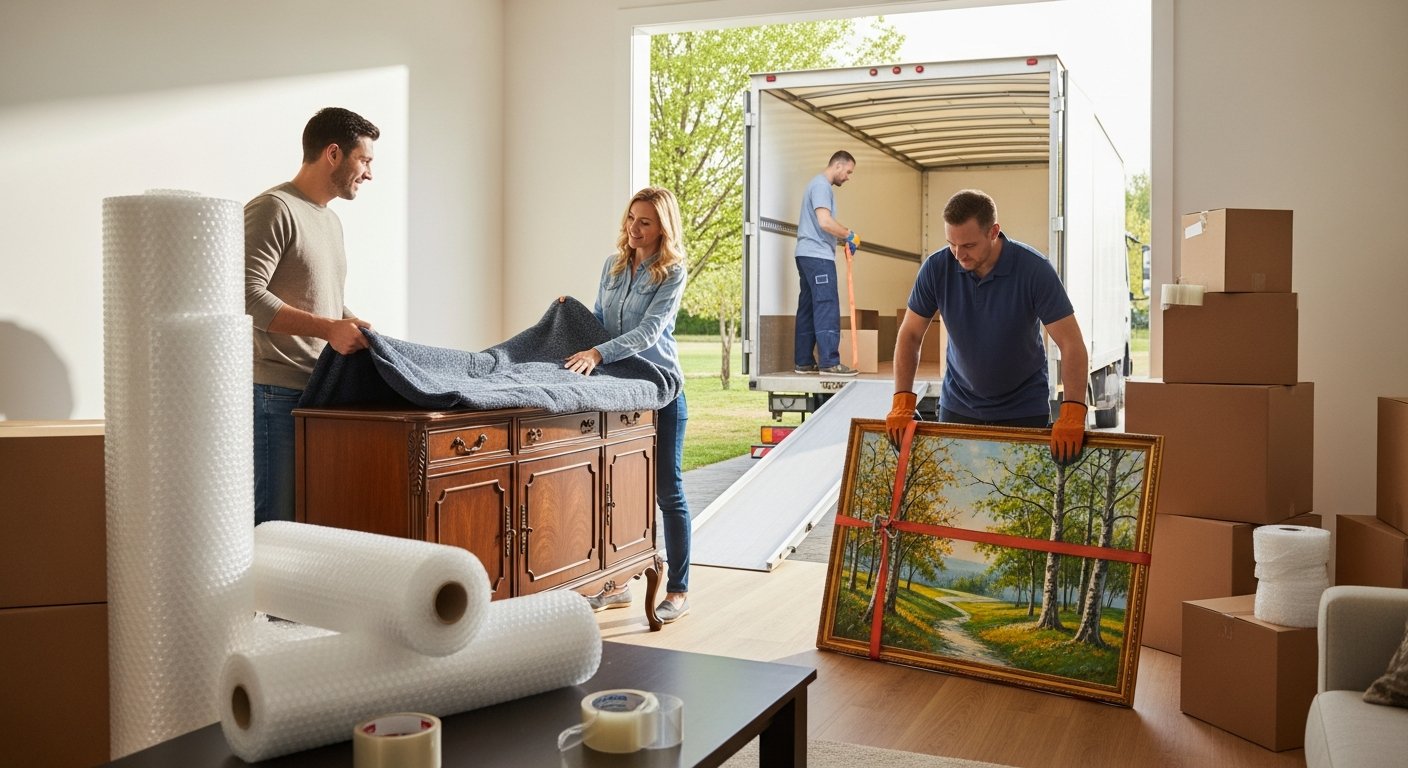
When you own valuable art, antique furniture, or a cherished collection of rare coins, the thought of moving can feel overwhelming. Standard moving boxes and a casual approach simply will not protect items that are irreplaceable both in sentiment and market value. Moving specialty items art antiques collectibles requires a strategy that prioritizes meticulous packing, climate control, and the right insurance coverage. Whether you are relocating a single oil painting or an entire gallery of heirlooms, understanding the process ensures your treasures arrive intact and your peace of mind stays intact as well.
The stakes are high. A bump in the road or a sudden shift in temperature can turn a museum-quality piece into a memory. Fortunately, with the right preparation and professional help, you can eliminate most of the risk. This guide walks you through every phase, from pre-move assessment to unpacking, so you can coordinate your relocation with confidence. We also connect you with licensed and bonded movers who specialize in handling high-value shipments, making the entire experience smoother from the very first quote.
Assessing Your Inventory: What Qualifies as a Specialty Item?
Before you pack a single item, you need a clear picture of what you own. Not everything in your home requires white-glove treatment. Specialty items generally fall into three overlapping categories: art, antiques, and collectibles. Art includes original paintings, sculptures, prints, and photographs. Antiques are objects older than 100 years (by most definitions) that hold historical or aesthetic value, such as furniture, clocks, or ceramics. Collectibles span everything from vintage toys and stamps to wine and musical instruments.
Take the time to walk through each room with a notebook or spreadsheet. For each piece, record the item name, approximate value, condition notes, and any existing damage. Photograph every angle, including close-ups of signatures, serial numbers, and imperfections. This documentation serves two purposes. First, it helps you decide which items need custom crating versus standard wrapping. Second, it is essential for any insurance claim if damage occurs during transit.
Once your list is complete, categorize each piece by fragility and value. A delicate porcelain vase from the 18th century demands far more care than a sturdy mid-century wooden table. Assign a priority level to every item, and use that ranking to guide your packing budget and moving company selection. When requesting moving quotes, share this inventory so the movers can provide an accurate estimate that includes the necessary materials and labor for specialty handling.
Packing Techniques for Fine Art, Antiques, and Collectibles
Packing specialty items begins with materials designed for protection. Standard cardboard boxes and newspaper will not suffice. You need acid-free tissue paper, glassine, bubble wrap with proper cushioning thickness, and custom wooden crates for the most fragile or valuable pieces. For paintings, use corner protectors and a weather-resistant wrap. For antiques with delicate legs or protruding elements, disassemble where possible and wrap each component separately.
Here are the key steps for packing common specialty items:
- Framed art and mirrors: Apply glassine over the surface (never newspaper, which can transfer ink), then wrap in bubble wrap. Use corner protectors and place the piece in a mirror box or custom crate. Always transport vertically.
- Canvas paintings without frames: Lay a sheet of acid-free tissue over the surface, then roll the painting around a sturdy tube (with the image outward to avoid cracking). Secure with soft ties and place in a cylindrical container.
- Antique furniture: Remove drawers, doors, and hardware. Wrap each part in furniture pads or moving blankets, then use shrink wrap to hold the padding in place. For carved or inlaid surfaces, add an extra layer of foam.
- Ceramics and glass collectibles: Wrap each piece individually in tissue, then bubble wrap. Place them in a box with crumpled paper or foam peanuts as fill. Double-box items worth over $1,000.
For extreme valuables, such as a six-figure painting or a rare violin, invest in custom crating. A skilled crate builder constructs a wooden frame that isolates the item from all sides, often with foam inserts that absorb shock. This method is the gold standard for moving specialty items art antiques collectibles across long distances. Many moving companies offer crating as an add-on service, and it is well worth the cost for items you cannot replace.
Label every box clearly with its contents, fragility level, and which room it belongs to. Avoid abbreviations that might confuse you or the movers on unpacking day. For items you plan to claim on insurance, write “high value” on the box but keep specific dollar amounts private to reduce theft risk.
Choosing the Right Moving Company for Your Valuables
Not all movers are equipped to handle specialty items. When you search for a moving company, look for those that explicitly advertise experience with art, antiques, and collectibles. Ask potential movers about their training for handling delicate objects. Do they use dedicated art handlers? Do they have climate-controlled trucks? How do they secure items to prevent shifting during transit?
Using a service like Moving Perfect helps you filter for licensed and bonded movers who meet these standards. When you request a moving quote, you can specify that you have high-value specialty items. The movers you are matched with understand the liability involved and come prepared with the right equipment. We recommend getting at least three quotes so you can compare not just price, but the level of service each company offers for fragile and valuable goods.
During the estimate process, ask for a walkthrough of your home so the moving company can see the items firsthand. A reputable mover will take notes and point out potential challenges, such as narrow hallways or stairs that require special maneuvering. They should also provide a written inventory that lists every specialty item included in the move. This document becomes the foundation for your insurance coverage and claims process if needed.
If you are moving long distance, verify that the carrier has a network of agents who can handle the delicate loading and unloading at both ends. A single mishandling can undo weeks of careful packing.
Insurance: Protecting Your Investment During the Move
Standard moving coverage is rarely enough for valuable antiques and fine art. Most moving companies offer two basic liability options: released value (which offers minimal protection, often 60 cents per pound per item) and full value protection (which covers repair or replacement of damaged items up to a limit). For specialty items worth tens of thousands of dollars, full value protection is the minimum you should accept.
However, even full value protection may have caps or exclusions for certain categories like paintings, jewelry, or collectibles. Read the fine print. Some movers require you to declare items above a certain value separately and may charge a premium for covering them. Alternatively, you can purchase a separate inland marine insurance policy from a third-party insurer. This policy covers your items door to door and often provides broader protection than what the mover offers.
Take time to understand the claims process before you sign any contract. Ask the mover: What documentation is required for a claim? How long do you have to report damage? What is the settlement timeline? Having clear answers in advance prevents surprises if something goes wrong. For a deeper look at how insurance works, see our guide on packing fragile items for moving, which covers the intersection of packing and coverage decisions.
Logistics and Timing for a Smooth Relocation
Specialty items often require more time during loading and unloading. Plan your move schedule accordingly. If you are hiring movers for a full-service move, ask whether they can arrive a day earlier or later specifically to handle your art and antiques. Some moving companies offer a separate white-glove crew that focuses exclusively on high-value items, leaving the standard team to move the rest of your household goods.
Climate control is another critical factor. Fluctuations in temperature and humidity can warp wooden antiques, crack oil paintings, and cause mold on paper collectibles. If your move spans a long distance or crosses multiple climate zones, request a temperature-controlled truck. Many specialized movers have vehicles equipped with active climate systems that maintain a stable environment.
On moving day, designate a single point person to supervise the loading of your specialty items. This person should verify that each piece is handled according to your instructions and that the inventory sheet is updated as items are loaded onto the truck. Keep valuable items that are small enough to fit in your personal vehicle with you. For example, jewelry, rare coins, and small documents should never go in the moving truck. Transport them yourself to eliminate any risk of loss.
If you are storing items temporarily, ensure the storage facility is also climate controlled and monitored. Do not rely on a standard storage unit for a valuable antique armoire or a collection of vintage wine.
Unpacking and Post-Move Care
Once your items arrive at your new home, resist the urge to tear into boxes immediately. Allow the items to acclimate to the new environment. If they spent hours in a truck with varying temperatures, sudden exposure to your home’s climate could cause condensation or warping. Let them rest for a few hours before unwrapping.
Unpack slowly and inspect each item against your pre-move photographs. Look for fresh scratches, cracks, or any signs of mishandling. If you discover damage, document it with photographs immediately and contact your moving company within the time frame specified in your contract. Most carriers allow 24 to 72 hours for visible damage claims. Do not sign off on the delivery receipt until you have thoroughly checked every specialty item, or note any damage on the receipt itself.
For antiques and wooden items, apply a gentle cleaning or conditioning product after they have stabilized in the new space. Avoid placing valuable art or antiques near heating vents, windows, or exterior walls where temperature swings are most extreme. Consider investing in environmental monitors that alert you to humidity changes in your home.
Finally, update your homeowner’s insurance policy to reflect the new location and the coverage limits for your specialty items. If you purchased a separate policy for the move, check whether it expires upon delivery or continues for a short window. Some policies offer a grace period for you to verify condition after the move.
Moving specialty items art antiques collectibles is a process that rewards patience and preparation. By assessing your inventory, using professional packing techniques, selecting an experienced mover, securing proper insurance, and following careful post-move steps, you give your treasures the best chance of arriving in the same condition they left. When you are ready to start your relocation, use Moving Perfect to compare quotes from licensed and bonded movers who understand exactly how to handle what matters most to you.