

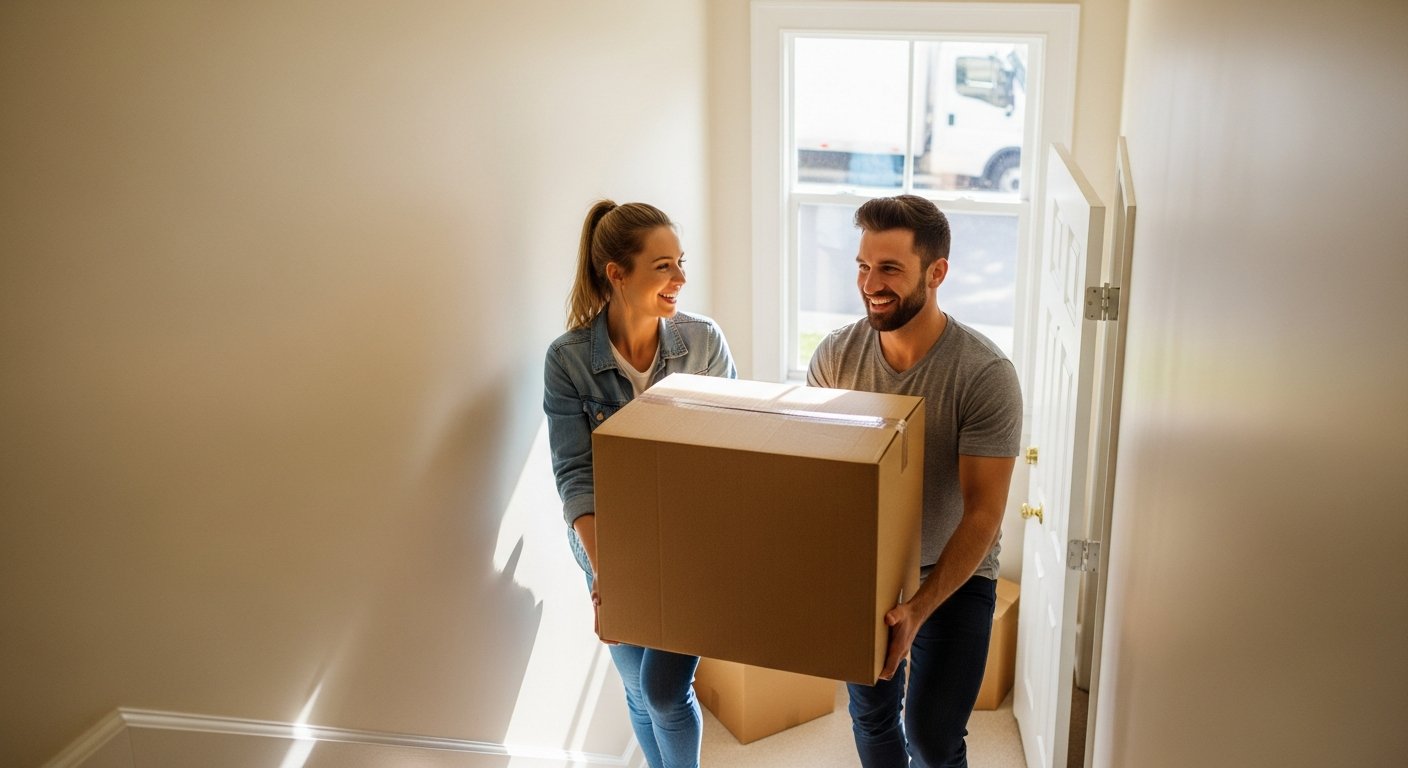
Moving into or out of an apartment brings unique challenges that single-family home moves simply do not present. Among the most demanding obstacles are navigating narrow staircases, coordinating elevator access, and protecting both your belongings and the building’s common areas. Whether you are moving from a fifth-floor walk-up or a high-rise with a service elevator, understanding how to manage these vertical logistics can mean the difference between a smooth relocation and a stressful, costly ordeal. This guide provides practical apartment moving tips for stairs and elevators, helping you plan every trip from your door to the truck.
Why Vertical Access Makes Apartment Moving Harder
In a single-family home, movers typically carry items through a wide front door, down a driveway, and into the moving truck. In an apartment setting, the path is rarely that simple. You might face narrow hallways, steep stairwells with low ceilings, or elevators that require special scheduling and protection. These constraints affect not only how long the move takes but also how much it costs, especially if you hire professional movers who charge by the hour.
Understanding these limitations early allows you to prepare effectively. For example, a walk-up apartment on the third floor with narrow, winding stairs may require movers to use a different technique than a high-rise building with a freight elevator. The first step in any apartment move is to assess the access points and plan accordingly. If you are hiring a moving company, communicate these details during the quote process so they can send the right crew size and equipment. For a deeper look at preparing your space, see our apartment moving tips for renters in small spaces guide, which covers how to declutter and organize before the movers arrive.
Plan Ahead With Your Building Management
Before you even pack a single box, you must coordinate with your building’s management office. Every apartment building has specific rules regarding moving activities, and failing to follow them can result in fines, lost deposits, or even being denied access on move day.
Start by contacting the property manager at least two weeks before your move date. Ask about the following key details:
- Elevator reservation: Many high-rise buildings require you to book the freight or service elevator for a specific time block. Some buildings charge a refundable deposit for elevator padding and hallway protection.
- Stairway restrictions: Some buildings prohibit the use of stairs for moving large items to prevent damage to common areas. Others require you to use stairs only for small boxes and reserve the elevator for furniture.
- Time restrictions: Many apartment complexes restrict moving hours to certain times of day, often between 9 AM and 5 PM on weekdays. Weekend moves may be restricted or prohibited entirely.
- Insurance and liability: Your building may require proof of insurance from your moving company or a signed waiver acknowledging responsibility for any damage to the building.
- Parking logistics: Confirm where the moving truck can park. Some buildings have loading docks, while others require a parking permit for a designated spot on the street.
Once you have this information, share it with your moving crew or use it to plan your DIY approach. Knowing these rules in advance prevents last-minute surprises that could delay your entire move.
Elevator Strategies for a Smooth Move
Elevators can be a major bottleneck during an apartment move. If you have ever waited for a service elevator while neighbors come and go, you understand the frustration. The key to using an elevator effectively is timing and etiquette.
First, reserve the elevator for exclusive use if your building allows it. This means you have a dedicated window where only you and your movers can use that elevator. During that time, keep the elevator doors open by propping them with a mover’s wedge or a heavy box, but only if the building permits this. Some buildings have automatic sensors that will close doors on props, so check with management first.
Second, load the elevator strategically. Place the largest and heaviest items against the back wall first, then stack lighter boxes around them. Avoid overloading the elevator beyond its weight capacity, which is usually posted inside the cab. A typical freight elevator can hold 2,500 to 5,000 pounds, but passenger elevators may have a lower limit. Overloading can trigger safety mechanisms that shut the elevator down, causing significant delays.
Third, protect the elevator interior. Use moving blankets or adhesive-backed felt pads to cover the walls and floor of the elevator. This prevents scratches, dents, and scuffs that could result in charges from your building. Some movers carry specialized elevator protection kits that include padded panels and corner guards. If you are moving yourself, purchase a roll of thick cardboard or moving blankets to line the cab.
Finally, coordinate trips efficiently. Rather than running one item at a time, group items so that each elevator trip is full. This reduces the number of trips and shortens the overall moving time. If you have a large team, designate one person to stay in the elevator and direct loading while others bring items from the apartment.
Stairwell Techniques That Prevent Injury and Damage
When an elevator is not available, or when you are moving into a walk-up building, the stairs become your primary route. Stairs present a higher risk of injury and property damage, so proper technique is essential.
Start by clearing the stairwell of any obstacles. Notify your neighbors about the move and ask them to remove doormats, potted plants, or other items that could cause tripping. Tape down loose carpet edges or report any broken handrails to the building manager before moving day.
For carrying heavy furniture up or down stairs, use a dolly with stair climbers. These specialty dollies have three wheels arranged in a triangle that allow you to roll the dolly up and down steps rather than lifting the entire weight. Secure the furniture to the dolly with straps, and have a second person guide the load from above or below. Never attempt to carry a large sofa or refrigerator up stairs without a proper dolly, as the risk of back injury is high.
For boxes and smaller items, use a hand truck and move in single file. One person should be at the top of the stairs passing items down, while another catches them at the bottom. This line system is more efficient than having each person run up and down individually. Always lift with your legs, not your back, and take breaks if the stairwell is long or steep.
Protect the stairwell walls and corners by using corner guards or moving blankets draped over the edges of furniture. This prevents scuff marks and dents that could cost you your security deposit. If you are moving into a new apartment, consider taking photos of the stairwell before you start to document any pre-existing damage.
Essential Equipment for Stairs and Elevators
Having the right tools can make apartment moving significantly easier. While professional movers bring their own equipment, DIY movers should invest in or rent the following items:
- Stair-climbing dolly: This is the single most important tool for moving up and down stairs. It reduces physical strain and prevents damage to both the item and the stairwell.
- Moving blankets: Use these to wrap furniture, protect elevator walls, and pad sharp corners on stairs. Buy at least a dozen for a one-bedroom apartment.
- Corner protectors: These plastic or foam guards slip over furniture corners to prevent gouges in walls and door frames.
- Furniture sliders: If your apartment has smooth floors, sliders allow you to push heavy items across the floor without lifting them, reducing the need to carry them through tight spaces.
- Ratchet straps: Use these to secure items to dollies and hand trucks, especially when moving up or down stairs where the load could shift.
- Headlamps or work lights: Stairwells and elevator lobbies can be dimly lit. Good lighting helps you see obstacles and prevents missteps.
Consider renting these items from a local moving supply store or purchasing them from a hardware store. The cost is small compared to the potential expense of repairing a damaged wall or replacing a broken item.
Packing Strategies for Vertical Moves
How you pack your boxes directly affects how easily they move through stairs and elevators. Overly heavy boxes are difficult to carry and more likely to break open if dropped. Aim for a maximum weight of 30 to 40 pounds per box, especially if you will be moving them up or down stairs.
Distribute weight evenly within each box. Place heavier items at the bottom and lighter items on top. Fill empty spaces with packing paper or bubble wrap to prevent shifting during transport. Clearly label each box with its contents and the room it belongs to, but also add a weight indicator such as “heavy” or “light” so movers know which boxes need two people.
For odd-shaped items like lamps, mirrors, or bicycles, consider disassembling them before the move. Remove lamp shades, unscrew legs from tables, and fold down bike handlebars. These smaller pieces are easier to carry through narrow stairways and fit better in an elevator. Wrap each component individually in moving blankets or bubble wrap to prevent scratches.
If you are moving fragile items like glassware or electronics, pack them in small, sturdy boxes that can be hand-carried rather than rolled on a dolly. This gives you more control on stairs and reduces the risk of breakage. For more detailed guidance, refer to our comprehensive packing articles on the site.
Working With Professional Movers in Apartments
Hiring a professional moving company is often the best decision for apartment dwellers, especially when stairs or elevators are involved. Professional movers bring experience, proper equipment, and insurance that protect you and your belongings. However, you still need to do your part to ensure a smooth process.
When you request a quote from a moving company, be upfront about your building’s access details. Tell them the floor number, whether an elevator is available, the width of the stairwell, and any building rules. This information helps the company provide an accurate estimate and send the correct crew size. A two-man crew might suffice for a ground-floor apartment with an elevator, but a third-floor walk-up with narrow stairs may require a three-person team.
On move day, be present to guide the movers to the correct elevator or stairwell. Show them the route you want them to take and point out any fragile items or tight corners. Clear the pathway from your apartment door to the elevator or stairs, removing rugs, shoes, and other tripping hazards. If the building requires elevator padding, have it ready before the movers arrive.
Communication with your neighbors is also important. Post a notice in the lobby or hallway a few days before the move, letting neighbors know the date and time. This courtesy can prevent complaints and makes the moving process more pleasant for everyone. On the day of the move, consider offering a small gift or note of apology to neighbors who may be inconvenienced by noise or blocked hallways.
Safety Tips for Moving Heavy Items
Safety should be your top priority when moving furniture and boxes up and down stairs. Each year, thousands of people are injured during DIY moves, with back strains, falls, and crushed fingers being the most common injuries. Follow these safety guidelines to protect yourself and your helpers:
- Use proper lifting form: Keep your back straight, bend at the knees, and lift with your legs. Never twist your torso while carrying a load. Pivot with your feet instead.
- Wear appropriate footwear: Closed-toe shoes with non-slip soles are essential. Avoid flip-flops, sandals, or smooth-soled shoes that could slip on stairs.
- Take breaks: Moving is physically exhausting. Schedule short breaks every hour to rest and hydrate. Pushing through fatigue increases the risk of injury.
- Communicate clearly: Use verbal cues like “lift,” “down,” and “stop” to coordinate with your moving partners. Miscommunication can lead to dropped items or pinched fingers.
- Know your limits: If an item is too heavy or awkward to carry safely, do not attempt it alone. Use a dolly or ask for help. It is better to make an extra trip than to injure yourself.
If you are moving into a building with a long flight of stairs, consider hiring professional movers for the heavy furniture and handling the boxes yourself. This hybrid approach saves money while reducing the risk of injury from the most difficult items.
Final Thoughts on Apartment Moving
Moving in an apartment building requires careful planning, the right equipment, and clear communication with both the building management and your moving crew. By focusing on the unique challenges of stairs and elevators, you can avoid common pitfalls that turn a simple move into a stressful event. Remember to reserve the elevator early, protect the building’s surfaces, pack strategically for vertical transport, and prioritize safety at all times. Whether you are moving into your first studio or upgrading to a larger unit, these apartment moving tips for stairs and elevators will help you get settled faster and with less hassle.