

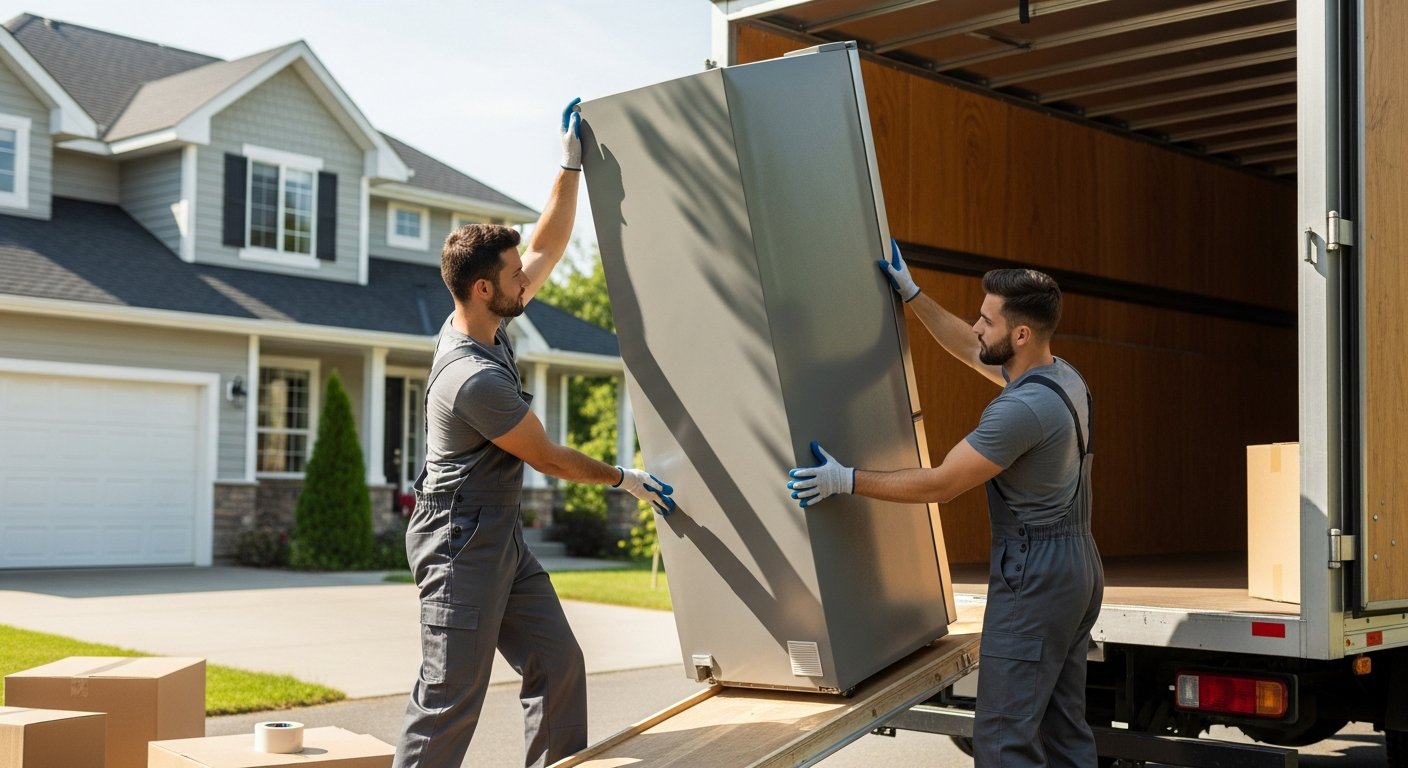
Moving a refrigerator is one of the most stressful parts of any relocation. It is heavy, awkward, and filled with components that are surprisingly easy to damage. Many homeowners wonder, “is it safe to move a fridge” without professional help, especially when trying to save money. The short answer is yes, it can be safe, but only if you follow the correct procedures. A single mistake can ruin the compressor, dent the doors, or even cause a serious injury. This guide will walk you through every step, from preparation to plugging it back in, so you can protect your appliance, your back, and your wallet.
Attempting to move a refrigerator without a plan is a recipe for disaster. The appliance weighs anywhere from 200 to 400 pounds, and its center of gravity makes it easy to tip over. Beyond the physical strain, you also have to manage the coolant lines, the water supply, and the delicate condenser coils. Professional movers charge a premium for this service for good reason. However, with the right tools and a methodical approach, a DIY move is possible. You just need to know the risks and how to mitigate them before you start pushing the appliance across the floor.
Why Moving a Refrigerator Is Risky
The primary dangers of moving a fridge fall into three categories: physical injury, damage to the appliance, and damage to your home. The weight is the obvious issue, but the internal mechanics are just as fragile. The compressor, which is the motor that keeps your food cold, sits at the bottom of the unit. If you lay the fridge on its side or tilt it too aggressively, oil can flow from the compressor into the coolant lines. This will clog the system and render the appliance useless, a repair that often costs more than the fridge is worth.
There is also the risk of damaging the sealed system. The coolant lines are made of thin metal that can crack or break if the unit is jostled too hard. Even a small leak means the fridge will no longer cool properly. Additionally, the exterior is prone to scratches and dents, especially if you are moving it through narrow doorways. Finally, you have the risk of injuring yourself. Lifting a heavy object with poor form can lead to back strain, muscle tears, or worse. If you are moving down stairs, the risk of a slipped grip and a heavy appliance falling on you is a genuine concern.
How to Prepare a Fridge for Moving
Preparation is the key to a safe move. You cannot just unplug the fridge and start pushing it toward the door. There is a specific sequence you need to follow to protect the internal components and the structure of the unit. Start this process at least 24 hours before you plan to move the appliance. This gives the fridge enough time to defrost and dry out completely.
Step-by-Step Preparation Guide
First, turn off the water supply to the fridge if it has an ice maker or water dispenser. Then, unplug the unit from the wall. You should also remove all food and shelving. Loose shelves will slide around and crack during transit. It is best to pack them separately in a box with wrapping paper. Next, defrost the freezer if you have a model that is not frost-free. This can take several hours, so plan ahead. Once the ice has melted, dry the interior thoroughly with a towel to prevent mold growth during the move.
After the fridge is empty and dry, you need to secure the moving parts. Tape the doors shut using strong packing tape. Use a rubber band or a zip tie to secure the power cord so it does not drag on the ground. If your fridge has a water line, disconnect it and cap the valve to prevent leaks. You should also check the manufacturer’s manual for any specific instructions regarding transport. Some models require a special kit to secure the compressor, while others have specific requirements for how they should be positioned.
Can You Lay a Fridge on Its Side?
This is the most common question about moving refrigerators, and the answer is usually no. You should avoid laying a refrigerator on its side unless the manufacturer explicitly states it is safe to do so. The primary issue is the compressor oil. When the fridge is horizontal, the oil can drain out of the compressor and into the refrigerant lines. This oil can pool in the lines and block the flow of refrigerant, which will cause the cooling system to fail.
If you absolutely must lay the fridge down, for example, to fit it through a low doorway, you need to do it on the correct side. Check the manufacturer’s guidelines. Generally, it is safer to lay it on the side that is opposite the hinge. Laying it on the hinge side can put pressure on the door alignment. If you do lay it down, you must wait for a significant amount of time before plugging it back in. The general rule is to let it stand upright for at least 24 hours. This allows the oil to drain back into the compressor. Waiting only a few hours is a common mistake that leads to compressor failure.
Safe Moving Techniques and Equipment
Getting the fridge out of your kitchen requires more than just muscle. You need the right equipment to protect the appliance and your floors. A furniture dolly is essential. You should also have a set of moving straps or a shoulder harness if you are navigating stairs. These tools distribute the weight more evenly and give you better control over the appliance.
Before you start, clear a path to the exit. Measure the fridge and the doorways to ensure it will fit. Remove any doors or obstacles that could get in the way. You should also protect your floors with cardboard or plastic sheeting. Here is a list of essential items you will need for the job:
- Furniture dolly with straps to secure the fridge
- Moving blankets to wrap the appliance and prevent scratches
- Strong packing tape to secure doors and cords
- Cardboard or plywood to protect floors and bridge gaps
- A second person to help with lifting and navigating
Once you have your equipment, you need to use it correctly. Tilt the fridge back slightly and slide the dolly underneath. Secure the fridge to the dolly with the straps, making sure it is balanced. Never try to roll the dolly over a threshold without a ramp or a piece of plywood. When going up or down stairs, the person at the bottom should be the one in control of the weight. The person at the top should guide and stabilize the load, not pull it.
When Hiring Professionals Is the Safer Choice
While a DIY move is possible, it is not always the best idea. If your fridge is a large side-by-side or French door model, if you have stairs with tight turns, or if you have any physical limitations, hiring a professional is the safer option. Professional movers have the experience and the equipment to handle heavy appliances safely. They also have insurance, which means you are covered if something goes wrong. Trying to save a few hundred dollars on a DIY move can end up costing you over a thousand dollars in repairs or medical bills.
Another factor to consider is the distance of the move. Moving a fridge across a single floor is manageable. Moving it down a flight of stairs and into a truck is risky. Moving it across the state is a different challenge entirely. For long distance moves, the fridge will be loaded into a truck with other items. If it is not properly secured, it can shift during transit and damage both itself and your other belongings. In these cases, the expertise of a professional crew is invaluable.
What to Do After Arriving at Your New Home
Once you get the fridge to your new kitchen, you might be tempted to plug it in immediately. Resist that urge. If the fridge was transported upright, you should still wait at least 30 minutes to an hour before plugging it in. This allows the refrigerant to settle. If the fridge was laid on its side, you need to wait at least 24 hours. This is a hard rule. Ignoring it is the number one cause of compressor failure after a move.
Before you plug it in, inspect the power cord for any damage. Make sure the fridge is level. Use a level to check it from front to back and side to side. Most fridges have adjustable feet to help with this. A fridge that is not level will have a hard time closing its doors properly, which can lead to condensation and energy waste. Once it is level, plug it in and wait for it to cool down before adding food. This can take a few hours, so be patient.
If you are moving other heavy appliances, you should check out our electronics packing guide for a safe move to ensure your TVs and computers are just as protected as your fridge. The same principles of preparation, proper equipment, and careful handling apply to all your valuable items.
In conclusion, moving a refrigerator safely is a complex task, but it is not impossible. The key is to plan ahead, use the right equipment, and follow the correct procedures. If you have any doubts about your ability to handle the weight or the logistics, do not hesitate to hire a professional. Moving is stressful enough without risking your health or your appliances. When you are ready to plan your move, consider getting a quote from licensed and bonded movers through Moving Perfect. They can handle the heavy lifting so you can focus on settling into your new home.