

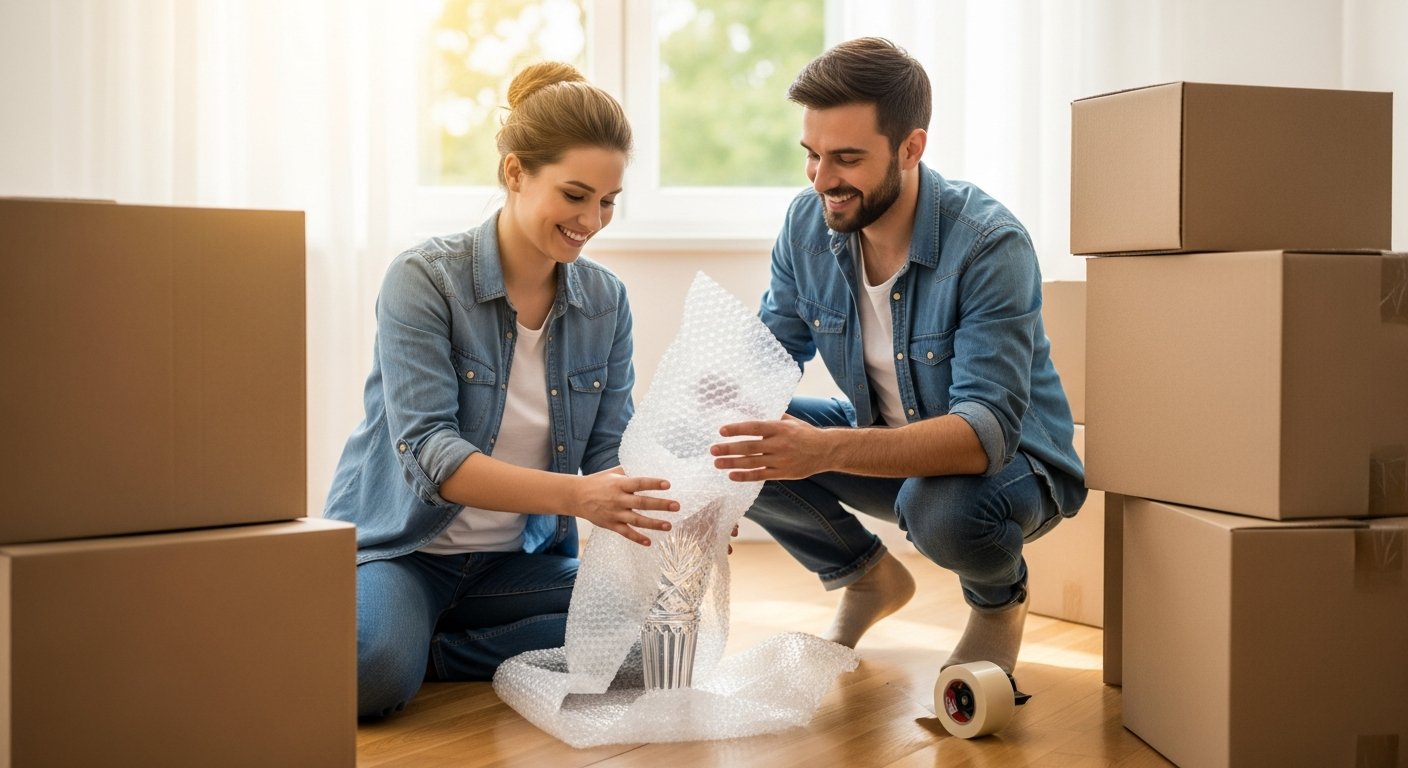
Nothing dampens the excitement of a new home like the sound of breaking glass from inside a moving box. You carefully wrapped each piece, you used plenty of bubble wrap, and still something cracked. The truth is that packing fragile items well requires more than good intentions. It requires a system. If you have ever wondered what is the best way to pack fragile items for a move, the answer lies in a combination of the right materials, smart techniques, and a little bit of planning. When you pack with care and hire professionals who understand the stakes, your treasured belongings can arrive at your new home exactly as you remember them.
Why Proper Packing Matters for Fragile Belongings
Fragile items such as glassware, china, electronics, and antiques are often the most valuable and sentimental things you own. A single crack can ruin a family heirloom or a costly piece of electronics. Beyond the emotional toll, replacing broken items adds unexpected expense to an already costly move. Professional movers handle thousands of boxes every year, and they know that the way an item is packed determines whether it survives the journey. When you understand what is the best way to pack fragile items, you reduce the risk of damage and give yourself peace of mind. This knowledge also helps you communicate clearly with your moving company so that everyone is on the same page about handling delicate cargo.
Choosing the Right Packing Materials
You cannot pack fragile items well without the proper supplies. Many people try to save money by using old newspapers and thin boxes, but that approach often leads to broken items. Investing in quality materials is the first step toward a safe move. Here are the essential supplies you need:
- Strong corrugated cardboard boxes in various sizes (double-wall boxes for heavy or delicate items)
- Bubble wrap in small, medium, and large bubble sizes
- Kraft paper or unprinted packing paper (avoid newspaper, as the ink can transfer)
- Packing tape with a dispenser for easy sealing
- Furniture pads or moving blankets for large fragile items
- Permanent markers and labels for marking boxes
Each material serves a specific purpose. Bubble wrap absorbs shock and protects surfaces from scratches. Packing paper fills gaps and adds a cushioning layer. Strong boxes prevent crushing when other boxes are stacked on top. Skimping on any of these supplies increases the chance of damage. When you ask what is the best way to pack fragile items, professional packers will always answer with the same advice: use the right materials for each item type.
Step-by-Step Packing Process for Fragile Items
Following a consistent process is the key to protecting your breakables. Below is a step-by-step method that works for dishes, glasses, vases, and similar items. This process is what professional movers use, and it is widely considered what is the best way to pack fragile items for any move.
Prepare the Box
Start by reinforcing the bottom of the box with strong packing tape. A taped seam that fails during transit is a disaster. Place a layer of crumpled packing paper or bubble wrap at the bottom of the box, about two to three inches deep. This creates a shock-absorbing base. For extra heavy items, use a double layer of cushioning.
Wrap Each Item Individually
Never place two fragile items directly against each other. Wrap each piece separately. For plates, place a sheet of packing paper between each plate and then wrap the stack in bubble wrap. For glasses and stemware, stuff the inside with crumpled paper to support the structure, then wrap the outside with bubble wrap. Secure the wrap with a small piece of tape. Do not use rubber bands, as they can create pressure points.
Pack Items Vertically
Plates and platters should be packed vertically, like records, rather than stacked flat. Vertical packing distributes weight evenly and reduces the chance of cracking. Glasses should stand upright. Bowls can be nested with paper layers between them.
Fill All Gaps
Empty space inside a box is the enemy of fragile items. Fill every gap with crumpled packing paper, air pillows, or foam peanuts. Shake the box gently. If you feel any movement, add more filler. A box that does not shift when shaken is properly packed.
Seal and Label
Seal the box with packing tape using the H-taping method (one strip down the middle, two strips along the edges). Label every side of the box with the word FRAGILE and the room it belongs to. Write a brief description of the contents, such as Kitchen Glasses or Dining Room China. This helps movers handle the box with extra care and place it in the correct room.
Packing Specific Fragile Items
Different items require slightly different approaches. What works for a dinner plate may not work for a flat-screen television. Below are specialized techniques for common fragile household items.
Glassware and Stemware
Wine glasses and crystal stemware are among the most delicate items in any home. Stuff the bowl of each glass with a small piece of crumpled packing paper. This supports the thin glass and prevents the stem from snapping. Wrap the glass in bubble wrap, focusing extra layers on the stem and base. Place wrapped glasses upright in a box, never on their sides. Use cardboard dividers if available to keep each glass separate.
Electronics and Screens
Televisions, monitors, and computers require special handling. If you still have the original packaging, use it. Original foam inserts are molded to fit the device perfectly. If you do not have the original box, wrap the device in anti-static bubble wrap (standard bubble wrap can create static that damages circuits). Place the wrapped device in a box that is at least three inches larger on all sides, and fill the gaps with foam peanuts or packing paper. Never place heavy items on top of electronics boxes.
Mirrors and Picture Frames
Mirrors and framed art should be packed in mirror boxes, which are thin and wide. Place a piece of cardboard over the glass surface, then wrap the entire frame in bubble wrap. Tape a piece of rigid cardboard or foam board over the front for extra protection. Mark the box as GLASS and do not stack anything on top of it. For large mirrors, consider using a specialized moving blanket wrap.
Antiques and Heirlooms
Valuable antiques often have fragile details or loose joints. Wrap each piece in acid-free tissue paper first to protect the finish, then add a layer of bubble wrap. Use plenty of cushioning in the box so the item does not shift. If the antique is extremely valuable, consider packing it yourself and transporting it in your personal vehicle rather than the moving truck. This gives you complete control over its handling.
Common Packing Mistakes to Avoid
Even with good intentions, people make errors when packing fragile items. Knowing what to avoid is just as important as knowing the correct technique. The following mistakes are common and often lead to broken items.
- Using boxes that are too large, which allows items to slide around
- Overpacking a box, which puts pressure on the items inside
- Skipping the inner cushioning inside glasses and vases
- Stacking heavy items on top of fragile boxes
- Using only newspaper, which offers little shock absorption and may leave ink stains
Each of these mistakes is easy to avoid with a little extra time and attention. Remember that the goal is not just to fill boxes but to create a secure environment for each item. When you understand what is the best way to pack fragile items, you naturally avoid these pitfalls and protect your belongings more effectively.
How Professional Movers Can Help
Packing an entire household of fragile items is time-consuming and physically demanding. Many people underestimate how long it takes to wrap each dish and fill every gap. Professional movers and packers have the experience and materials to do the job quickly and correctly. When you hire a moving company through Moving Perfect, you gain access to licensed and bonded professionals who treat your belongings with respect. They bring high-quality supplies, use proven techniques, and carry insurance that protects you if something does break. This is particularly valuable for long-distance moves, where boxes endure more handling and vibration. If you are wondering what is the best way to pack fragile items without spending days on the task, hiring professional packers is the smartest answer. It frees you to focus on other aspects of your move while ensuring your breakables are in expert hands.
Packing Fragile Items for Long-Distance Moves
Long-distance moves present unique challenges for fragile items. The truck travels hundreds or thousands of miles, and boxes experience constant vibration, temperature changes, and potential rough roads. For these moves, extra precautions are necessary. Use double-walled boxes for all fragile items. Add an extra layer of bubble wrap around each piece. Fill every gap completely so nothing shifts. Consider using foam-in-place packaging for extremely delicate items; this technique involves injecting expanding foam around the item inside the box, creating a custom-fit cradle. Also, communicate clearly with your moving company about which boxes contain fragile items. Many movers offer a fragile-only packing service for long-distance moves, which is well worth the cost.
Labeling and Organizing for a Smoother Unpack
Packing is only half the battle. Unpacking fragile items requires care and organization. Label each box clearly with its contents and destination room. Use a color-coding system: red markers for fragile boxes, blue for kitchen, green for bedroom, and so on. This helps movers know exactly where to place each box. When you unpack, open fragile boxes first and inspect each item for damage. Set aside any broken pieces and document them with photos for insurance claims. Having a system in place makes the unpacking process less stressful and ensures nothing gets lost or forgotten.
Insurance and Protection for Fragile Items
No matter how carefully you pack, accidents can happen. That is why moving insurance is essential. The law requires moving companies to offer coverage for out-of-state moves, but the basic coverage is often minimal. You can purchase additional valuation coverage that provides more comprehensive protection. Before your move, discuss insurance options with your moving company. Make an inventory of your most valuable fragile items and take photos of them before packing. This documentation helps if you need to file a claim. Understanding what is the best way to pack fragile items includes knowing how to protect them financially as well as physically.
Final Thoughts on Packing Fragile Items
Packing fragile items for a move does not have to be a source of anxiety. With the right materials, a systematic approach, and help from professionals when needed, you can get your breakables to your new home safely. Start early, give yourself enough time, and do not cut corners. The small investment in quality packing supplies and professional movers pays off when you unpack your grandmothers china set without a single crack. Whether you are moving across town or across the country, the principles remain the same. Protect each item individually, fill all gaps, label clearly, and trust your movers. If you are planning a move and want to connect with licensed and bonded professionals who can handle your fragile items with care, request a free moving quote from Moving Perfect today. We help make your move perfect, one box at a time.